
bOOKS
THOUGHTS FROM
Pages That Shaped Thought
Books do not merely tell stories; they awaken memory, sharpen conscience, and quietly reshape the way we see the world—long after the final page is turned.
Proof of Heaven by Dr. Eben Alexander explores consciousness beyond the physical body, blending neuroscience with spiritual insight. Referred to during an explanation of Vishwarupa Darshana Yoga from the Bhagavad Gita, the book invites reflection on life beyond mortality and the deeper meaning of human existence. The spiritual quest, however, continues.


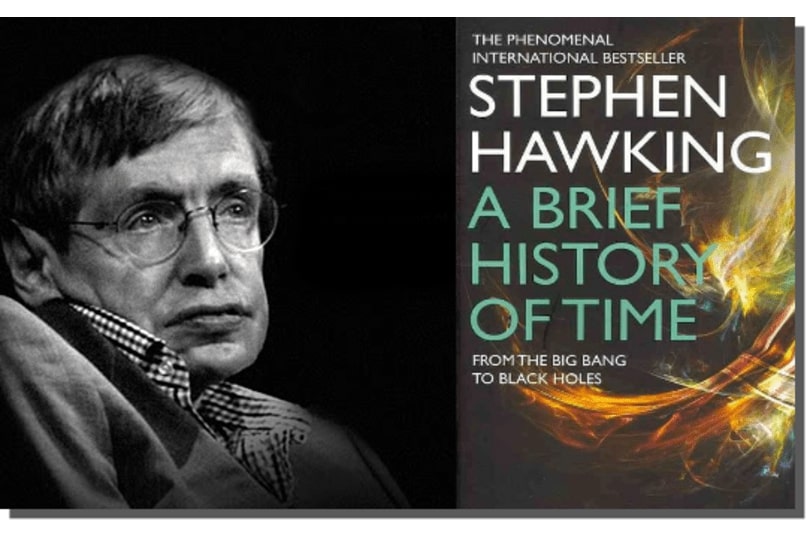
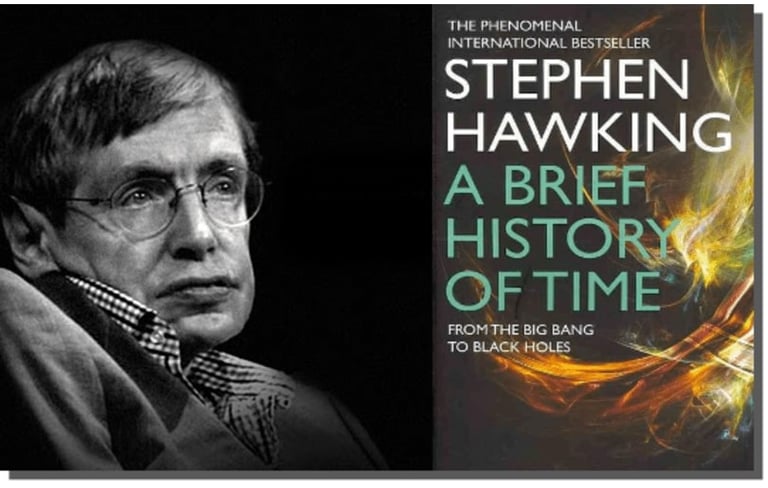
Stephen Hawking’s A Brief History of Time rekindled my curiosity about the universe and the deeper questions of existence. Moving between science and spirituality, the book reflects humanity’s pursuit to understand time, space, creation, and consciousness—raising timeless questions about God, the universe, and our place within it. The inquiry continues, where science and spirituality quietly converge.
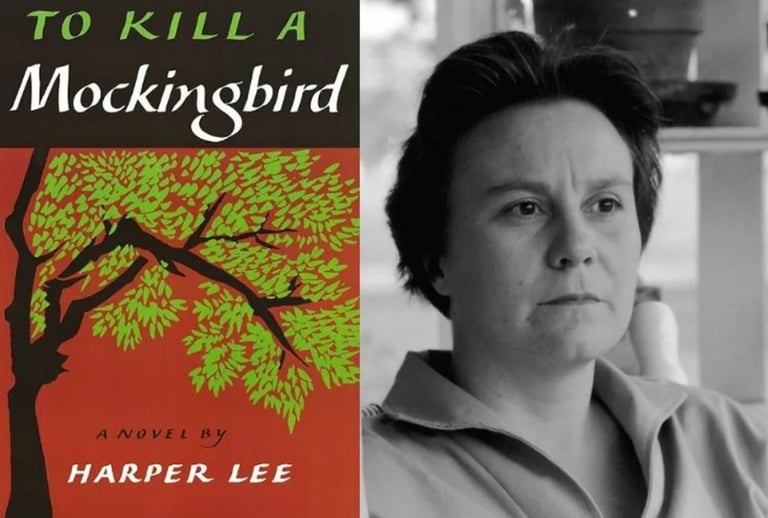
To Kill a Mockingbird by Harper Lee is a powerful exploration of conscience, justice, and human hypocrisy. Encountered on a date that held an uncanny personal significance, the book left a lasting impression through its moral depth and timeless observations on society, prejudice, and integrity. Its words continue to resonate, urging quiet reflection long after the last page.
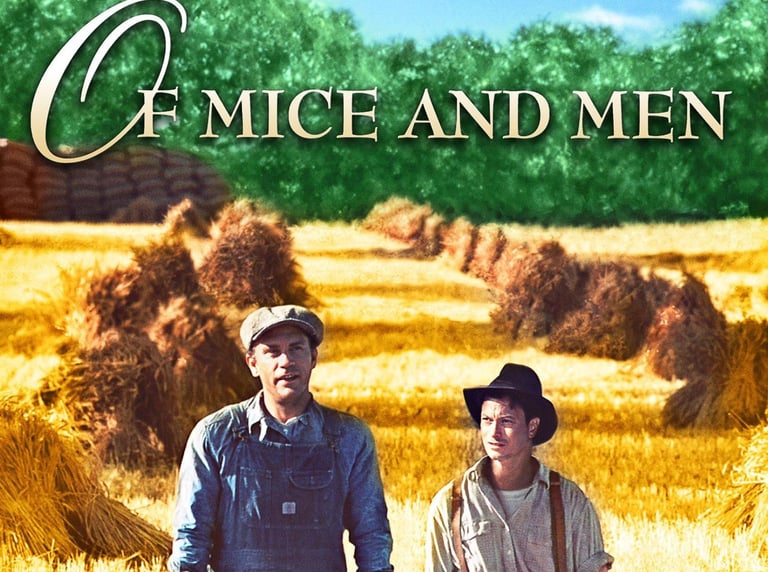
Of Mice and Men by John Steinbeck is a moving portrayal of hope, friendship, and disillusionment set against the harsh realities of the Great Depression. Through the lives of migrant workers, the novella reflects the fragile nature of dreams and the enduring human desire for dignity and belonging—making it a timeless and essential read.
Wild Swans – Three Daughters of China by Jung Chang is a powerful personal history of modern China, told through the lives of three generations of women. Set against political upheaval and the Cultural Revolution, the book offers a deeply moving account of resilience, loss, and transformation—leaving a lasting reflection on history, freedom, and gratitude for what we often take for granted.


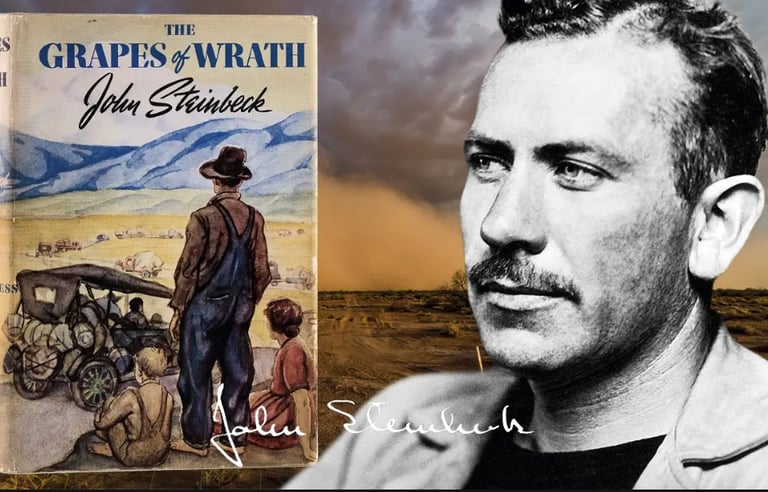
The Grapes of Wrath by John Steinbeck is a gripping and enduring portrayal of displacement, poverty, and collective struggle. Set during the Great Depression yet deeply relevant today, the novel traces the slow erosion of dignity as small landowners become migrants and laborers, revealing how individual suffering transforms into shared resilience and quiet defiance.
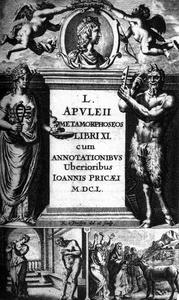
The Golden Ass by Apuleius is a vivid and imaginative classical novel that blends satire, myth, and social observation. Through the fantastical journey of Lucius, it offers a rare first-hand view of exploitation, human folly, and transformation in the ancient world, while introducing the timeless tale of Cupid and Psyche—making it both entertaining and deeply relevant even today.
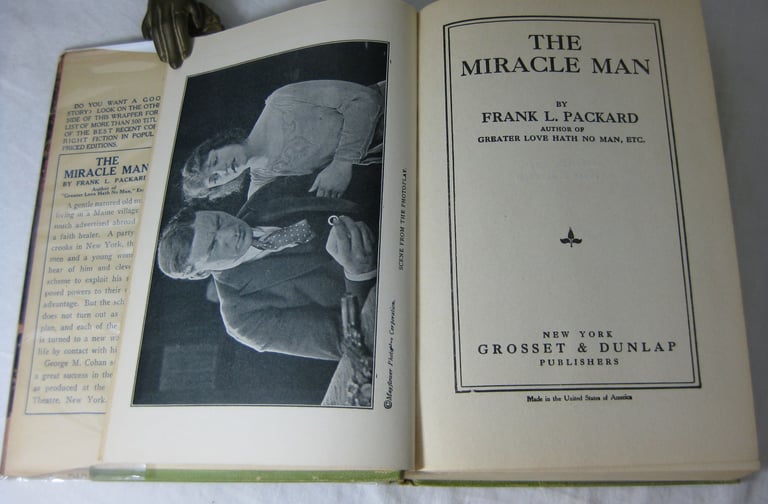
The Miracle Man by Frank L. Packard is a compelling exploration of faith, belief, and human vulnerability. Through an intense narrative that blurs the line between skepticism and spirituality, the novel reflects on the power of faith as a fundamental human force—capable of transformation, questioning, and profound inner change—making it as thought-provoking today as when it was first written.
The Heart Is a Lonely Hunter by Carson McCullers is a profound and unsettling exploration of loneliness, injustice, and the human search for dignity. Set in a 1930s American mill town, the novel gives voice to the silenced and marginalized, revealing how solitude, suffering, and hope intersect within society. Its themes of freedom, inequality, and shared humanity remain deeply resonant even today.


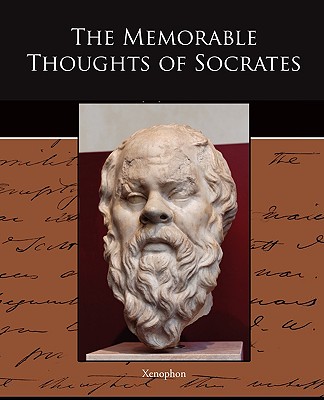
The Memorable Thoughts of Socrates reflects on the life, trial, and philosophy of one of history’s most misunderstood thinkers. Through Xenophon’s defense and Plato’s Apology, Socrates emerges as a figure committed to virtue, reason, justice, and self-examination rather than corruption or impiety. His final words—an offering to Asclepius—suggest death as a cure from the ailments of life, not a defeat. The reflections on freedom, moral responsibility, power, friendship, and death reveal why Socrates chose truth over survival, leaving behind a legacy that continues to challenge how we live, judge, and think.
Every Mile a Memory by Partha Sarthi Sen Sharma is a reflective travelogue that goes beyond destinations to capture the soul of travel itself. Moving across Europe, England, Morocco, Turkey, and parts of India, the author blends landscapes with history, literature, culture, and deeply personal experiences. From European rail journeys and historic cities to the lanes of Fez and the spiritual grandeur of Hagia Sophia, each chapter transforms travel into introspection. The book reminds us that journeys are shaped not merely by places, but by stories, memories, and the quiet transformation of the traveller. A thoughtful and immersive read that rekindles the wanderer within.
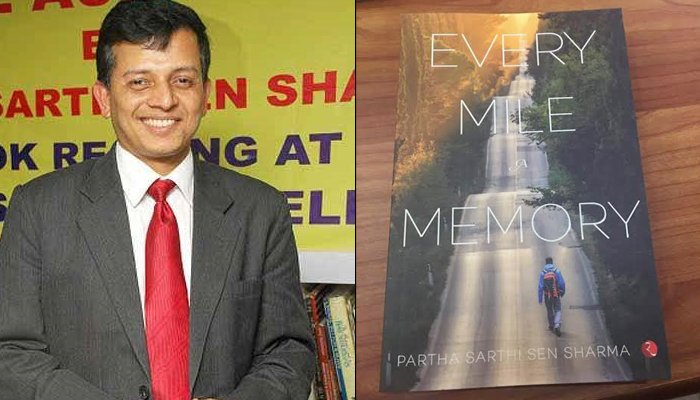
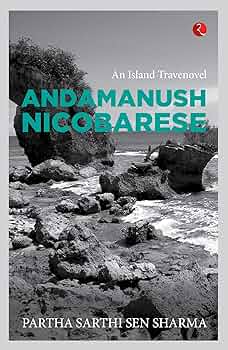
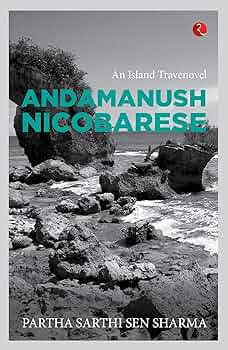
Andamanush Nicobarese by Partha Sarthi Sen Sharma is a vivid island travelogue that captures the spirit, history, and humanity of the Andaman & Nicobar Islands. Blending natural beauty with layered history, the author journeys across forests, mangroves, beaches, tribal lands, and remote islands—by road, boat, and helicopter—often accompanied by locals who anchor the narrative in lived experience.
Jonathan Livingston Seagull by Richard Bach is a timeless philosophical fable about individuality, self-belief, and the pursuit of excellence beyond social conformity. Through the journey of Jonathan—a seagull uninterested in routine survival and driven instead by the joy of perfecting flight—the novella speaks to anyone who dares to challenge limits and follow an inner calling, even at the cost of isolation.


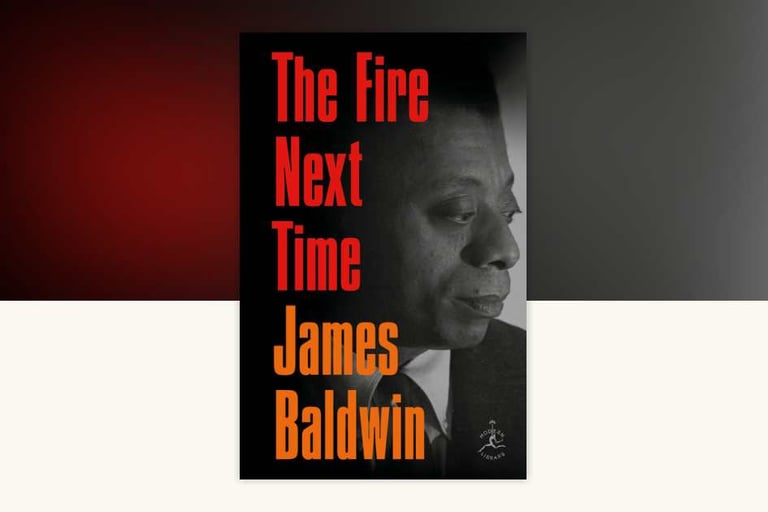
The Fire Next Time by James Baldwin (1963) is a searing moral and political meditation on race, identity, religion, and power in America. Comprising two essays—“My Dungeon Shook”, a letter to Baldwin’s nephew on the centenary of Emancipation, and “Down at the Cross”, a deeply personal exploration of faith, fear, and racial reality—the book confronts the cost of systemic injustice with uncompromising clarity.
Tobacco Road (1932) by Erskine Preston Caldwell is a stark portrayal of rural destitution in Depression-era Georgia, centering on a poor white tenant-farmer family trapped in economic, social, and moral decay. Caldwell strips sentimentality from poverty and presents it as relentless, cyclical, and dehumanizing.
The novel exposes the exploitative structures surrounding agrarian life—loan sharks, crop-lien systems, and predatory capitalism—that ensure perpetual indebtedness. Labor yields no dignity or security; instead, it compounds despair. Caldwell’s depiction of interest compounding upon interest is not merely financial detail but a critique of legalized exploitation that converts survival into loss.


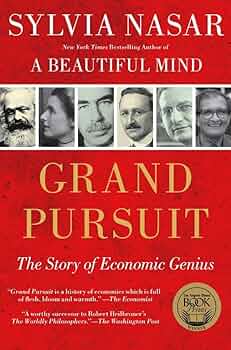
Grand Pursuit is a sweeping intellectual history of modern economics, tracing how economic ideas evolved alongside—and in response to—war, industrialization, poverty, and political power. Sylvia Nasar, also known for A Beautiful Mind, succeeds in humanizing economics by anchoring theory in lived history.
Unbroken is a deeply moving biography of Louis Zamperini—Olympian, World War II airman, castaway, prisoner of war, and ultimately a survivor in the truest human sense. Laura Hillenbrand crafts not merely a war story, but an examination of endurance, dignity, and moral resilience under extreme cruelty.


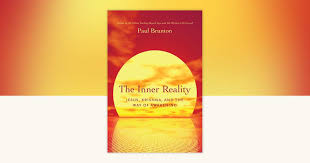
A timeless spiritual classic that bridges Christianity and Hinduism, The Inner Reality explores the shared inner truth taught by Jesus and Krishna. Paul Brunton guides seekers toward self-knowledge, showing that the “kingdom of heaven” is found within through contemplation, not doctrine.
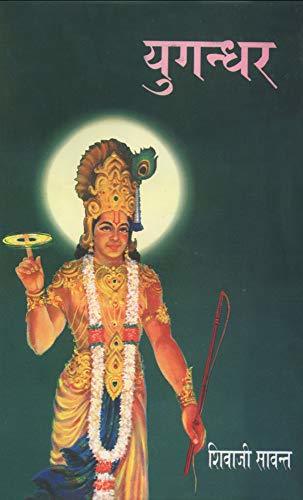
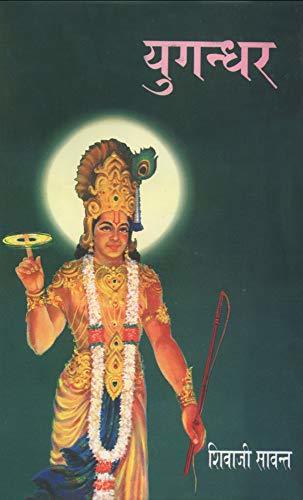
A literary masterpiece that presents Shri Krishna as Yugandhar—the timeless force shaping an era. Through multiple perspectives including Krishna, Rukmini, Draupadi, Arjuna, and Uddhav, the novel offers a profound, human, and philosophical interpretation of Krishna’s life and leadership. One of the finest works of Marathi literature and a Sahitya Akademi–honored classic.
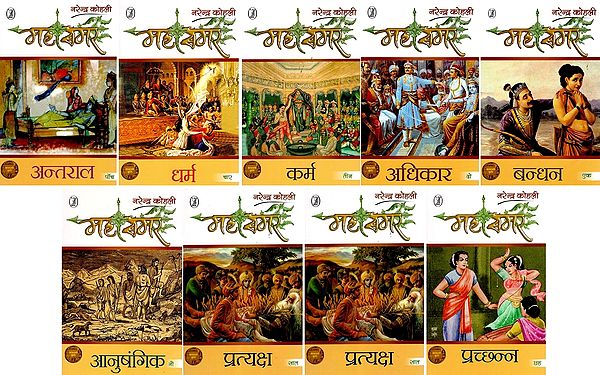
Mahasamar (9 Volumes) by Narendra Kohli is a monumental literary work on the epic Mahabharata.